Medically reviewed by Misty Seidenburg
When the temperature drops, it’s common to feel stiffer, more sore, or more sluggish than usual. Cold weather can take a toll on the body, causing muscle tension, slowed circulation, and making post-workout recovery more challenging. That’s where contrast therapy may be beneficial.
By cycling between heat and cold, this technique can support your body’s natural healing process. Whether you are recovering from a training session, managing chronic tension, or simply trying to feel more comfortable during the colder months, alternating ice and heat therapy can be a helpful addition to your wellness toolkit.
Contrast therapy involves exposing the body, or a specific area, to alternating periods of heat and cold. This is most commonly done through contrast baths, where a limb is submerged in warm water, then cold, in a repeating cycle.
Heat and cold therapy taps into the body’s natural responses to temperature changes. Heat causes blood vessels to expand, which can increase circulation and relax muscles. On the other hand, cold causes blood vessels to constrict, which may reduce inflammation and dull pain signals.
When used in combination, hot and cold contrast therapy creates a pumping effect in the circulatory system, potentially improving blood flow and reducing muscle tension. Used in physical therapy for years, contrast therapy is becoming more popular among athletes, weekend warriors, and anyone dealing with everyday aches and stiffness.
Cold weather affects more than the air around us. It influences how our bodies feel and function. Muscles can tighten. Joints may feel more rigid. And, circulation can slow, especially for those with sedentary routines or underlying joint issues.
Ice and heat therapy may provide seasonal support for these symptoms. The benefits of contrast baths are often more noticeable during the winter, when the temperature shifts involved can help warm cold muscles and reinvigorate the body.
A meta-analysis of existing research found that when compared to passive recovery, post-exercise contrast therapy improved: muscle soreness and perceived fatigue. Researchers acknowledge that more in-depth studies are needed, but “believe contrast therapy positively affects post-exercise recovery compared to passive recovery.”
For individuals experiencing morning stiffness, post-winter sports recovery, or heightened discomfort from conditions such as arthritis, contrast therapy can be a valuable self-care option. While it isn’t a cure or guaranteed solution, it can play a role in how you manage physical comfort in cold weather.
While traditional contrast baths use two buckets or tubs, one filled with warm water and the other with cold, today’s recovery options offer more convenience and flexibility.
Here are some options to consider:
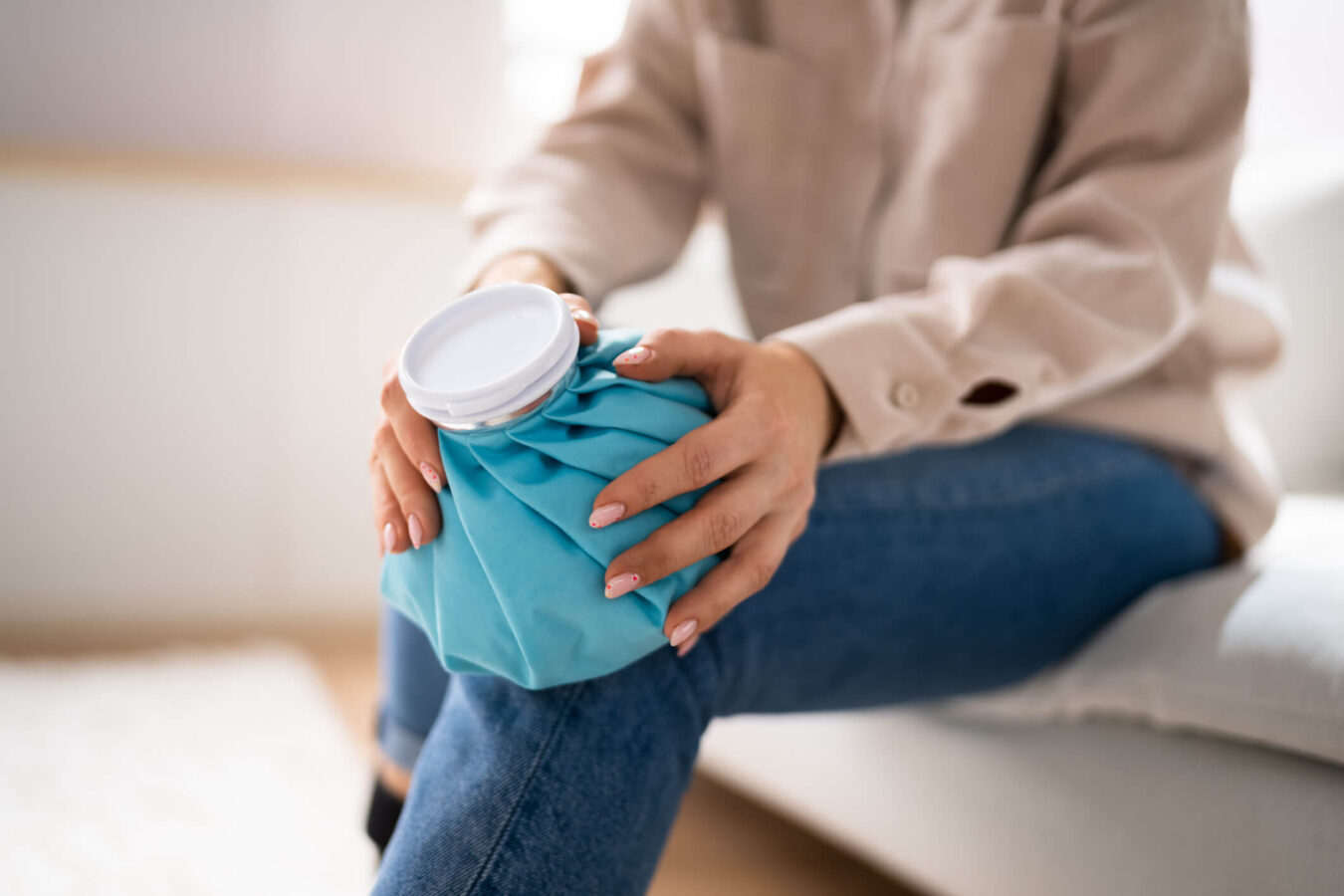
There’s no one-size-fits-all method, so finding the approach that works for your lifestyle is part of the process. The good news is that you don’t need to invest in expensive equipment to get started with contrast therapy. Even a warm towel and a bag of frozen veggies can be effective!
When practicing hot-cold contrast therapy, it’s important to be mindful of time, temperature, and your own physical limits. A typical session lasts between 15 and 20 minutes.
A typical pattern might look like: 3-4 minutes of heat, followed by 1-2 minutes of cold, repeated in a cycle of three to five rounds. It’s generally recommended to end with cold, particularly if you are addressing inflammation or recovery after intense physical activity.
Heat should feel comfortably warm, not scalding (ideally between 100-110ºF). Cold therapy should be around 50-59ºF, just cool enough to challenge your body but never painful or numbing. If you are using packs directly, protect your skin with a layer of fabric and monitor how your body responds.
Always consult your healthcare provider to ensure ice and heat therapy is safe for you, and stop and reassess if you feel dizzy, overly chilled, or develop skin irritation after contrast therapy.
It’s also important to note that if you are introducing heat after being outside in the cold, wait for your body temperature to return to normal. Think of washing your hands in warm water if they are really cold—the water will feel scalding hot. Take a minute or two for your body to warm up before adding heat to make the process more effective—and comfortable.
Contrast therapy is often associated with athletes and physical therapy clinics, but it’s not limited to those groups. More people are turning to alternating ice and heat therapy to support day-to-day comfort, especially in the winter when the body naturally tightens and slows.
Active individuals can use it after workouts to help manage muscle fatigue or delayed onset soreness. For older adults, including those with joint discomfort, it can be a gentle way to keep tissues mobile. People who sit for long hours at a time may find relief from applying heat and cold therapy to the lower back or hips.
It can also be part of a broader recovery plan after injury. In that case, it should always be discussed with a physical therapist or medical provider. Ultimately, contrast therapy is flexible in how it’s applied and who can explore its potential benefits.
Contrast therapy involves alternating hot and cold temperatures on the body to encourage circulation, reduce stiffness, and support physical recovery. It’s commonly practiced with contrast baths, thermal wraps, or gel packs.
Some people find contrast therapy to be a valuable part of a larger recovery or wellness plan. While individual responses vary, the technique is widely used in sports recovery and physical therapy for its potential to support circulation and muscle comfort.
Individuals with certain medical conditions, such as diabetes, circulatory disorders, nerve damage or other decreased sensation, or Raynaud’s, should consult with a healthcare professional before trying hot cold contrast therapy.
A typical session lasts around 15 to 20 minutes, alternating between hot and cold every few minutes. Most sessions end with a cold application to help manage inflammation.
Supporting your recovery during the colder months doesn’t have to be complicated. Whether you’re managing soreness after a snowy hike or simply waking up stiff from a chilly night, contrast therapy is a simple and accessible approach that may help you feel more at ease in your body.
From classic contrast baths to more modern tools, you have options. Explore what feels right for you, listen to your body, and remember that small, consistent actions can make a meaningful difference over time.
If you’re unsure where to start, a licensed physical therapist can help guide you through safe and effective recovery strategies tailored to your needs. Find a clinic near you to get started.